

Top Tips for Trekking in Nepal
Published On : 30th Mar, 2022 By Adventure
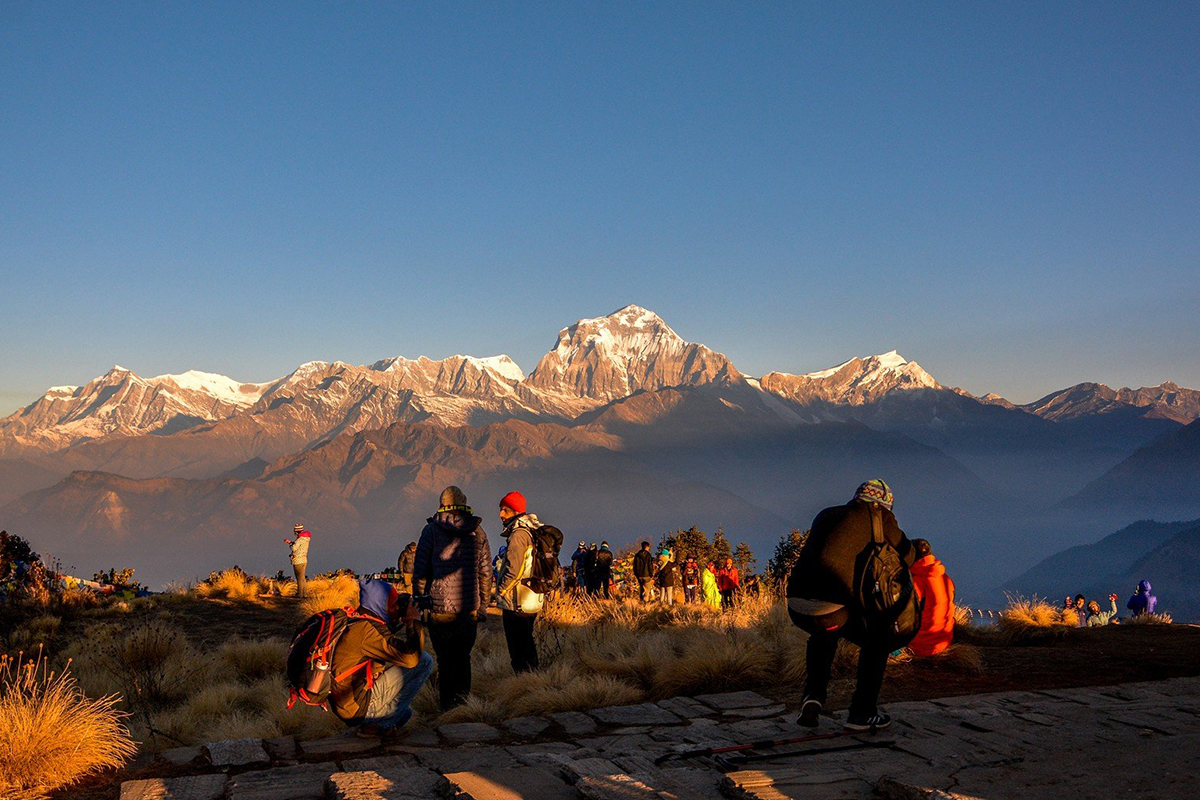
Top Tips for Trekking in Nepal: A Complete Guide for Safe & Enjoyable Himalayan Adventures
Trekking in Nepal is one of the world’s most rewarding outdoor experiences. From the Everest region to Annapurna, Langtang, Manaslu, and beyond, Nepal’s trails offer unmatched scenic beauty, cultural richness, and adventure. But trekking in the Himalayas is also very different from hiking anywhere else. Higher altitudes, rugged terrain, changing weather, and remote locations make proper preparation essential.
This comprehensive guide covers the top trekking tips for Nepal—helping you stay safe, acclimatize properly, pack wisely, and fully enjoy the mountain journey.
Maintain an Easy, Consistent Pace
Nepal’s trekking routes involve steep ascents, long descents, and high-altitude environments. One of the most important tips is to walk at a steady, comfortable pace. This allows your body to gradually adapt to the changing altitude and prevents unnecessary fatigue.
A slow and steady approach helps you:
-
Maintain energy throughout the day
-
Avoid overexertion and breathlessness
-
Appreciate the landscape, villages, and Himalayan vistas
Remember: rushing increases the risk of altitude sickness. The mountains reward those who take their time.
Stay Hydrated Throughout the Trek
Dehydration happens quickly in high altitude because you sweat more, breathe more, and lose water faster. Even if you don’t feel thirsty, you must drink consistently.
Recommended daily intake:
👉 At least 3 liters of water per day
👉 Include soups and warm drinks in your meals
Avoid or minimize:
-
Alcohol
-
Caffeine (in excess)
-
High-sugar drinks
These contribute to dehydration and increase fatigue. Hydration is one of the simplest yet most powerful ways to stay healthy at altitude.
Follow a Proper Acclimatization Schedule
Above 3,000 meters, acclimatization becomes crucial for your safety. Most high-altitude treks—like Everest Base Camp, Gokyo Lakes, and Annapurna Circuit—include rest and acclimatization days at strategic points.
Typical acclimatization stops include:
-
Namche Bazaar (3,440m) during Everest treks
-
Dingboche (4,410m) before heading to EBC or Imja Valley
-
Manang (3,540m) on the Annapurna Circuit
If you feel symptoms such as:
-
Loss of appetite
-
Headache
-
Dizziness
-
Persistent fatigue
-
Nausea or vomiting
Inform your guide immediately. The first rule of altitude safety is:
👉 Descend to a lower elevation if symptoms worsen.
Taking acclimatization seriously greatly reduces the chances of Acute Mountain Sickness (AMS).
Equip Yourself Properly
Proper gear makes your trek safer, easier, and more comfortable. Since weather can change without warning, having the right clothing and equipment ensures protection in any season.
Essential Nepal Trekking Packing List
| Category | Items to Pack |
|---|---|
| Clothing | Base layers, fleece jacket, down jacket, waterproof shell, trekking pants, thermal wear, gloves, hat, buff |
| Footwear | Broken-in trekking boots, warm socks, camp shoes |
| Gear | Backpack (40–50L), daypack, trekking poles, headlamp, sunglasses, water bottles/hydration bladder |
| Sleeping | Sleeping bag (−10°C to −20°C depending on trek) |
| Health & Safety | First aid kit, altitude medication (as advised by doctor), water purification tablets, sunscreen, lip balm |
| Accessories | Quick-dry towel, power bank, maps, personal toiletries |
| Documents & Money | Permits, passport, travel insurance, local currency |
Equipment needs may vary depending on the region and season. Your trekking operator can guide you based on the specific trail you choose.
Respect Local Culture, Customs, and Traditions
Trekking in Nepal takes you through remote Sherpa, Gurung, Tamang, Rai, and other ethnic communities. These villages hold centuries-old traditions, unique lifestyles, and deep spiritual values.
To be a responsible traveler:
-
Ask before taking photos of people
-
Walk clockwise around stupas and mani walls
-
Dress modestly in villages and monasteries
-
Learn basic Nepali greetings (e.g., Namaste)
-
Support local teahouses and communities
Respecting local culture enriches your journey and supports sustainable tourism.
Set Realistic Expectations About Trail Conditions
Accommodation on trekking routes—especially in higher altitude villages—is basic but comfortable. Rooms are simple, heating is limited, and hot showers may cost extra. Food is fresh but often repetitive.
Understanding what to expect ensures:
-
Less stress
-
Better mental preparedness
-
A more enjoyable trekking experience
The Himalayas are remote, rugged, and wild; that’s part of their magic.
Trekking in Nepal is a life-changing adventure, and with the right preparation, you can enjoy it safely and meaningfully. Taking care of your pace, hydration, acclimatization, gear, and cultural awareness ensures not just survival but an unforgettable Himalayan experience.
If you need personalized advice, equipment lists, or trek recommendations for regions like Everest, Annapurna, Langtang, Manaslu, Upper Mustang, or others, feel free to ask. I’ll be happy to guide you.
Recent From Blog


11th Jan, 2026

28th Jul, 2025


20th May, 2025

14th May, 2025


25th Apr, 2025

18th Feb, 2025


